Showing posts with label anxiety. Show all posts
Showing posts with label anxiety. Show all posts
Monday, August 8, 2016
Medical Marijuana for Extreme Pain / Stress
I personally believe that medical marijuana is a great alternative to pain meds and even prescribed tranquilizers. If it helps a person recover from extreme pain, PTSD or even extreme stress, shouldn't it be considered as an option over the pharmaceutical pills or lab-manufactured chemicals?


Saturday, January 26, 2013
Fasting For Stress Reduction
One famous quote about fasting can be found in the Bible, when Jesus says that only prayer and fasting can chase away certain "demons" (Matthew 17:21). Whether or not you agree with this sentiment, there is a common belief that fasting, if done correctly, can definitely improve the emotional and spiritual well-being of a person.
The two main types of fasts are fresh juice fasts and water fasts.
Benefits of a water fast
Faster results than fresh juice fast
Cleansing
Detoxification
Mental Clarity
Weight Loss
Ketosis after 2 days of water fast (ketosis is when your body burns fatty tissues instead glucose)
At 8:50 in the following video, Dr. Michael Klaper talks about the emotional benefits of water fasting:
Juice Fasting for Stress Relief
Benefits of a juice fast
Easier than a water fast
Juice fasts can last longer than water fasts
Cleansing
Detoxification
Mental Clarity
Weight Loss
Juice Fast Success Story
The below snippet is from www.freedomyou.com. The author was going through a collapsing marriage, and was experiencing severe panic attacks. While on a juice fast, his stress was significantly reduced.
"Just the decision to fast triggered a physiological change within me. The many years of practicing fasting had created a renewal mindset, and I could already feel my body relaxing in preparation. Within the first 24 hours of the fast, my metabolism slowed down and the muscles in my neck began to soften. A day or two later, the veins on my forehead started to disappear for the first time in months and my blood pressure lowered. Entering deeper into the fasting state, I could literally feel the pressure in my body decompress. Unlike the slow buildup of months of stress, the release was quick and remarkable. The contrast allowed me to realize just how stressed out I had become and it became clear why I was experiencing so many health issues. The third night of the fast I enjoyed uninterrupted sleep, awaking clear-minded and refreshed. That morning, while washing fruit and vegetables for juicing, I knew that I had turned an important corner. Standing at the sink, I began weeping with a real sensation of joy, something I had not felt for a long time.
It’s been months now since my fast and I've had no more panic attacks. My forehead veins are invisible, neck pain is a distant memory, and my mind is focused and productive. No more uninvited tears and too-loud laughter. It was like a reset button was pressed. The best part of this lesson is knowing that when I start to feel the symptoms of stress coming on, I have something better than any medication to fall back on. Fasting as a backup stress management program is better than owning a tranquil cottage on a lake!" (Link)
The two main types of fasts are fresh juice fasts and water fasts.
Benefits of a water fast
Faster results than fresh juice fast
Cleansing
Detoxification
Mental Clarity
Weight Loss
Ketosis after 2 days of water fast (ketosis is when your body burns fatty tissues instead glucose)
At 8:50 in the following video, Dr. Michael Klaper talks about the emotional benefits of water fasting:
Juice Fasting for Stress Relief
Benefits of a juice fast
Easier than a water fast
Juice fasts can last longer than water fasts
Cleansing
Detoxification
Mental Clarity
Weight Loss
Juice Fast Success Story
The below snippet is from www.freedomyou.com. The author was going through a collapsing marriage, and was experiencing severe panic attacks. While on a juice fast, his stress was significantly reduced.
"Just the decision to fast triggered a physiological change within me. The many years of practicing fasting had created a renewal mindset, and I could already feel my body relaxing in preparation. Within the first 24 hours of the fast, my metabolism slowed down and the muscles in my neck began to soften. A day or two later, the veins on my forehead started to disappear for the first time in months and my blood pressure lowered. Entering deeper into the fasting state, I could literally feel the pressure in my body decompress. Unlike the slow buildup of months of stress, the release was quick and remarkable. The contrast allowed me to realize just how stressed out I had become and it became clear why I was experiencing so many health issues. The third night of the fast I enjoyed uninterrupted sleep, awaking clear-minded and refreshed. That morning, while washing fruit and vegetables for juicing, I knew that I had turned an important corner. Standing at the sink, I began weeping with a real sensation of joy, something I had not felt for a long time.
It’s been months now since my fast and I've had no more panic attacks. My forehead veins are invisible, neck pain is a distant memory, and my mind is focused and productive. No more uninvited tears and too-loud laughter. It was like a reset button was pressed. The best part of this lesson is knowing that when I start to feel the symptoms of stress coming on, I have something better than any medication to fall back on. Fasting as a backup stress management program is better than owning a tranquil cottage on a lake!" (Link)
Wednesday, May 25, 2011
Reduce Stress and Lift your Mood Naturally
1) Consider Taking Vitamin D


If humans don't get enough sunlight (roughly 15 minutes a day), we can become vitamin D deficient. A vitamin D deficiency can lead to severe depression and anxiety (Link). Fortunately, there are good vegan and vegetarian vitamin D3 pills that can instantly help boost your mood. Taking one daily may help bring your vitamin D levels back to normal.
2) Consider Herbal Supplements


In addition to vitamin supplementation, there are also many herbal and homeopathic remedies available. Two of my favorites are Bach's Rescue Remedy and Kava Kava. Check out my post on stress-busting vitamins and supplements Here.
 Going to a counselor, a trusted friend or a free 12-step group may be an excellent way to release some tension while getting some valuable insight in a loving environment.
There are support groups for many ailments these days, including depression, anxiety, OCD, codependency, PTSD, grief, etc. So if you do find a support group, try to find one that is focused on your main struggle.
3) Join a Free Support Group

There are support groups for many ailments these days, including depression, anxiety, OCD, codependency, PTSD, grief, etc. So if you do find a support group, try to find one that is focused on your main struggle.
4) Daily Margin

photo by lisadragon
As a book needs margin on its pages, we all need margin in our lives. This is the area I have the most trouble in. Often my stress comes from saying "Yes" too much. Yet saying "No" to draining people or activities gives us the free time we need to recharge, relax and "smell the roses".
- Take a weekly "Sabbath". Allow yourself one day of rest per week. This means putting work and serious chores aside, allowing yourself some time to "smell the roses".
- Allow yourself 2-3 hours of "recharge time" daily. Some ideas for how to spend this time might include reading, watching your favorite show, grabbing a relaxed meal with your family or a friend, walking in a nature preserve, taking a warm bath or simply meditating quietly in your room. This time is also available for napping or simply resting in case you did not sleep well the night before.


5) Eat For Energy

Avoiding processed sugars is a good way to improve your sense of well being. “Processed sugars bind with and dissolve B vitamins in the digestive tract, causing resultant health problems in the skin, nerves, digestive and undesirable stress reaction” (link). Rather, a diet that is rich in whole, fresh, uncooked vegetables, fruits, nuts and legumes is a proven way to add the living essential vitamins and minerals into your diet that help keep us both calm and vibrant.
For a practical way to include more raw foods in your diet, check out my other post HERE.
6) Take a Break From Your Phone (and your computer)!

Turning your phone off, or putting it on Airplane Mode, may help remind us of what life was like in the 20th century (and every other previous century), before the emergence of cell phones. "A new study has found that smartphones can actually increase people's stress levels, HealthDay news reports. The reason, as HealthDay explains, is that smartphones produce 'a relentless need to immediately review and respond to each and every incoming message, alert or bing'" (Link).
7) Take A Walk Outside

photo by ginnerobot on flickr.com
- "A 1999 study published in the Annals of Behavioral Medicine showed that university students who walked and did other easy to moderate exercise regularly had lower stress levels than couch potatoes or those who exercised strenuously" (link).
- "Levels of serotonin, a neurotransmitter that helps regulate our mood, rises when we are outside. One study found that regular outdoor runners were less anxious and depressed than people who ran indoors on a treadmill, and had higher levels of post-exercise endorphins, the feel-good brain chemicals associated with 'runner's high'" (link).
8) Drink Green Juice or a Green Smoothie

"Research shows that chlorophyll is effective in rebuilding the blood, stimulating liver function, strengthening immunity, and detoxifying chemical pollutants. Numerous recent studies have also indicated that chlorophyll has anti-carcinogenic and anti-mutagenic properties. In short, getting enough chlorophyll can help you feel more vital and less stressed, which equals less emotional eating. Chlorophyll is found in highest concentrations in green leafy vegetables like spinach and kale, as well as wheat grass and blue-green algae." (link)
9) Reduce caffeine intake.
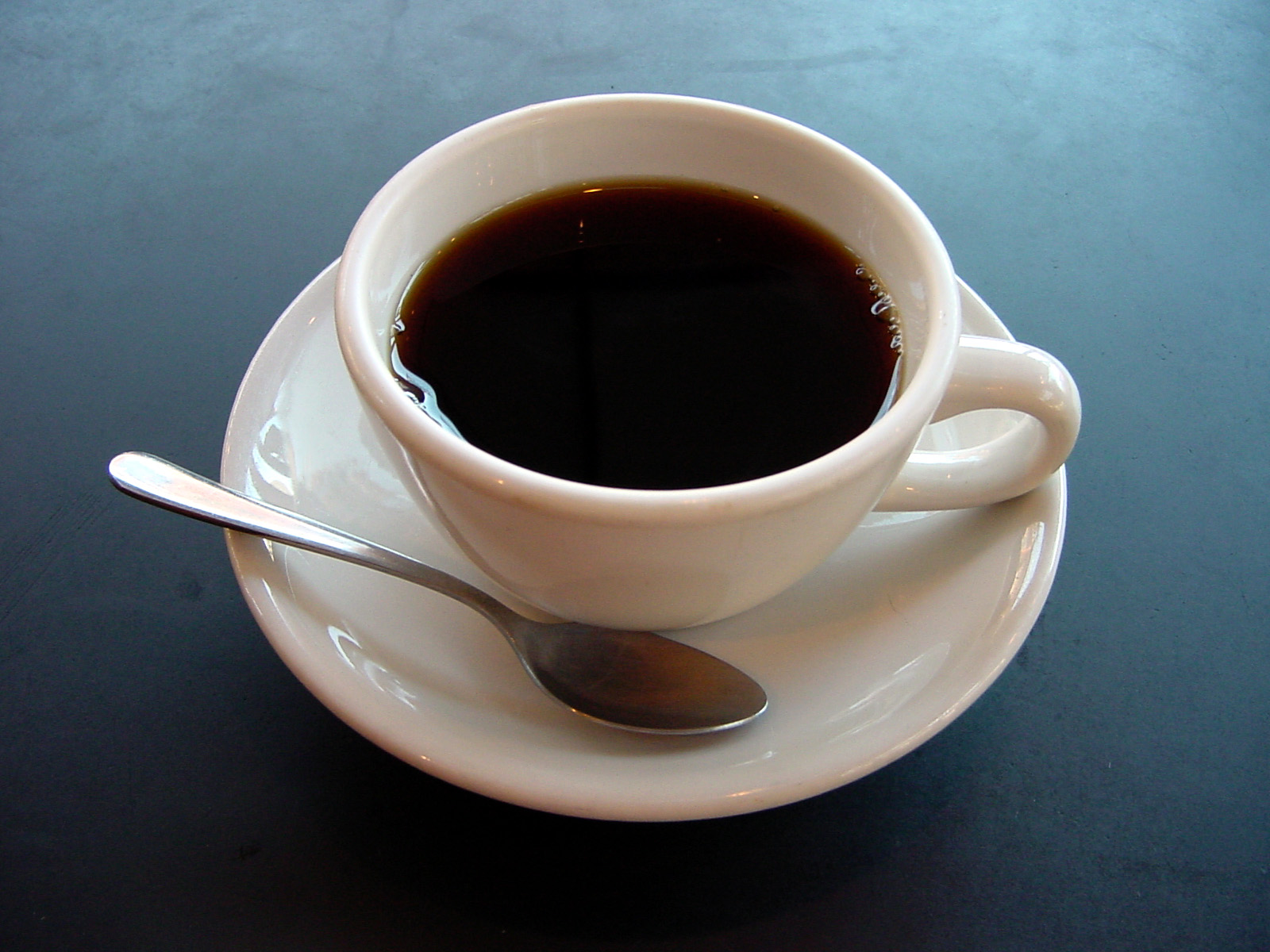
For many people, one cup of organic, black coffee per day actually has positive emotional effects. However, some people who are prone to panic attacks may find an improvement after quitting coffee. For example, a study published in 2007 found that 52 per cent of panic-disorder patients suffered a panic attack after drinking caffeinated coffee. Conversely, the panic-disorder patients drinking decaf did not suffer panic attacks (Link).
Many people who experience jitters from coffee are amazed by the "relaxed alertness" that green tea provides. There are two main reasons for this.
- First, green tea has less caffeine than coffee.
- Second, "Green tea contains theanine, which helps promote sleep" (Link).
This study proves the incredible relaxing effects of theanine.
"Caffeine injects adrenaline into your system, giving you a temporary boost, but possibly making you fatigued and depressed later. If you take more caffeine to counteract these effects, you end up spending the day in an agitated state, and might find yourself jumpy and edgy by night." (link)
10) Avoid large amounts of alcohol
"In humans, a low dose of alcohol improved performance of a complex mental problem-solving task under stressful conditions. However, in some individuals, at certain doses, alcohol may induce rather than reduce the body's stress response. Much research demonstrates that alcohol actually induces the stress response by stimulating hormone release by the hypothalamus, pituitary, and adrenal glands." (link)
11) Temporary Water or Juice Fasting
Occasional, controlled water or juice fasting can bring about stress relief. For more info, click here!
Subscribe to:
Posts (Atom)


